Design Manifesto
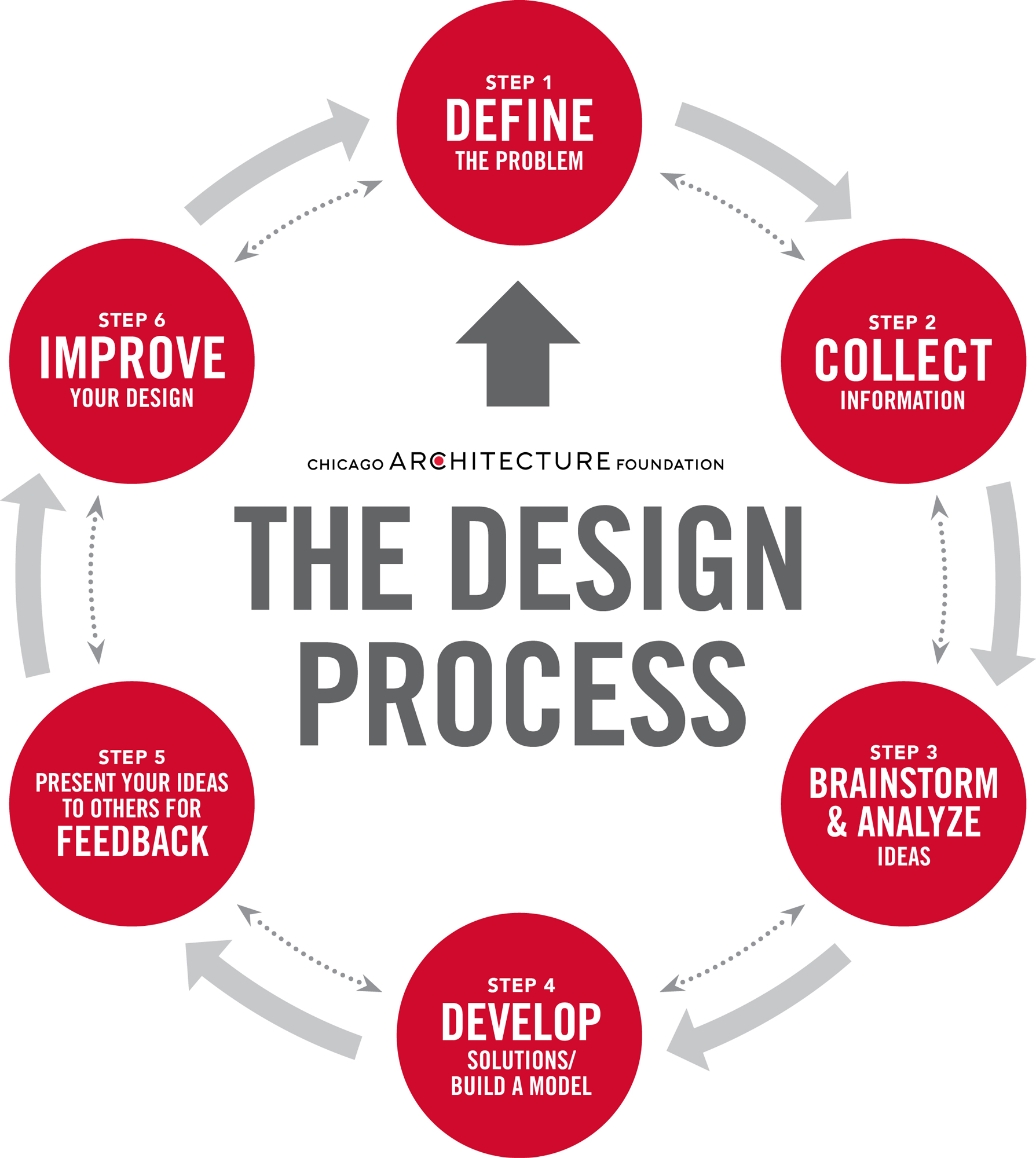
Throughout the semester in Human Computer Interaction, I participated in four design sprints: Design for Dimensions, Design for Understanding, Design for Another World, and Re-design and Extend. I practiced skills like user-centered design, prototyping and testing, data visualization and analysis, coding through development frameworks, interactive design, and tactile exploration through data physicalization. Through these projects, I was able to improve my design approach and gain insight into the significance of finding a middle ground between technical limitations and user needs while navigating the iterative nature of design. Every sprint offered different challenges and chances for development, and I learned a lot about how design influences a product’s final result as well as its user experience.
During my first design sprint, Design for Dimensions, the process of redesigning the Knotty & Board website highlighted how crucial it is to create for a wide range of users with different levels of technological capability. Making user personas to inform our design choices was a key element of this project. This helped us to meet specific demands, such as seeing furniture in various settings and making navigation easier for tech-challenged people. User testing showed that in order to prevent users from becoming overwhelmed, the design’s complexity needs to be reduced, especially with the huge multitouch display. Due to technological limitations, particularly with the watch interface, we had to streamline interactions because of the small screen area. The most difficult task was finding a middle ground between usability and simplicity so that the website could be easily accessible while also providing a personalized feel. Human feedback was also an essential aspect of this process. It allowed us to improve our strategy and made it clear that features needed to be simple and easy to use. Overall, this process showed me the importance of iterative design and remaining flexible to meet the needs of actual users rather than made-up user personas.
The approach of using sketches to depict data before confirming the dataset’s legitimacy had a significant impact on the project’s outcome during my second design sprint, Design for Understanding. Using the five design-sheet approach allowed us to experiment and enhance visualizations, but it also highlighted the limitations that arise when false data is used. We began to question the validity of the statistics when we discovered unrealistic trends, such as consistent sales or similar expenditure across age groups. We stayed with the synthetic dataset because it was time consuming to validate after we had already created our data visualization sketches, but it also allowed us to find inconsistencies and emphasize how crucial it is to confirm the authenticity of the data before drawing conclusions. The human aspect was essential in pointing out the dataset’s flaws through group discussions and collaborative research. All in all, our experience demonstrated that although sketching can be an essential tool for spotting issues with the data, it’s equally critical to verify the dataset at an early stage to ensure the visualizations’ accuracy.
The design approach for Design for Another World had a considerable impact on our decisions, especially in terms of iteration and feedback adaptation. Using A-Frame for rapid prototyping enabled us to swiftly test core physics, but we encountered issues with mobile VR compatibility and performance optimization. Our class demo’s feedback was very helpful in identifying problems with scoring, gameplay balance, and visibility. As a result, we improved the user interface and the difficulty curve to make it more accessible. The limits of mobile VR, particularly with regard to visual clarity and gameplay progression, were brought to light during user testing using Google Cardboard headsets. Additionally, we had trouble adjusting the game’s difficulty because the sphere spawn rate soon became too much to handle. We learned the value of iteration and ongoing testing from this process. Overall, in order to create an immersive and engaging experience, this project reinforced the significance of user-centered design, ongoing improvement, and the necessity of adjusting to both technical limitations and player input.
The goal of the Re-design and Extend design sprint was to turn digital visualizations into tangible, interactive things in order to make data more engaging and attractive. User feedback was the most useful source of information and influenced many important design choices, particularly those pertaining to increasing accessibility and clarity. To improve legibility, testers recommended, for instance, enlarging the labels on the wooden blocks and placing them on the front. We also ran into issues with time, material availability, and technical limits. For example, delays prevented us from using all of the textures we had in mind, such as playdough and braille. The project’s physical format also made it difficult to scale data and make sure the graphics conveyed the information clearly. Our method was improved, and the value of flexibility was emphasized by testing these physicalizations, particularly with users with varying opinions and takeaways, helping us to make the design more inclusive. I learned from this process how crucial user-centered design is to producing an experience that appeals to a wide range of users. Overall, this design sprint reaffirmed the value of flexibility and iterative testing, emphasizing how user input leads to significant enhancements and guarantees a more welcoming, engaging experience for all.
I discovered five fundamental ideas that guide my design process during my design sprints. First, in order to develop solutions that satisfy the various needs of consumers, user-centered design is crucial. Understanding user demands is essential for any design, as demonstrated by the way personas helped us create a more accessible Knotty & Board website during the Design for Dimensions sprint by making navigating easier for tech-challenged users. Secondly, iterative prototyping is an essential method for improving concepts. We demonstrated how iterative testing aids in real time design refinement during the Design for Another World sprint by rapidly testing and improving the VR game’s mechanics, utilizing A-Frame for rapid prototyping. Third, usability is improved by clarity and simplicity. User input continuously emphasized the need for simpler, more understandable designs that don’t overwhelm the user, whether creating wooden block data visualizations in Re-design and Extend or evaluating synthetic datasets in Design for Understanding. Fourth, the secret to overcoming limitations is adaptability. Material and technical constraints forced us to modify our design in Re-design and Extend, for example, by substituting simpler textures, proving that adaptability in problem-solving is essential when confronted with unforeseen obstacles. Lastly, feedback and teamwork are essential to making a design better. Peer and user input informed iterative modifications throughout all sprints, such as expanding labels on wooden blocks for improved accessibility or modifying the VR game’s difficulty curve. In addition to influencing my design methodology, these ideas have helped me better understand how to develop meaningful, user-focused experiences that respond to feedback and obstacles to produce more creative and inclusive solutions.
